Hyundai Bayon in India: The Compact SUV We Don’t Get
Hyundai Bayon in India is a topic many car fans search for, but the answer is simple: this compact SUV is not sold here. Most Indian buyers know the Hyundai Creta, Venue and Exter. The Bayon is a Europe-focused crossover built in Turkey, and it has never been on sale in India. Even so, it is worth understanding. It shows how Hyundai builds a small, well-equipped SUV for city buyers, and it helps explain where Hyundai’s Indian models sit by comparison.
What Is the Hyundai Bayon?
The Bayon is a five-door subcompact crossover revealed in March 2021. It is built at Hyundai’s plant in İzmit, Turkey, and sits below the Kona in Hyundai’s European lineup. It shares its underpinnings with the Hyundai i20 hatchback, which is why the two feel similar to drive. It replaced the i20 Active and targets buyers who want SUV styling without the cost and bulk of a bigger vehicle.
Design and Dimensions
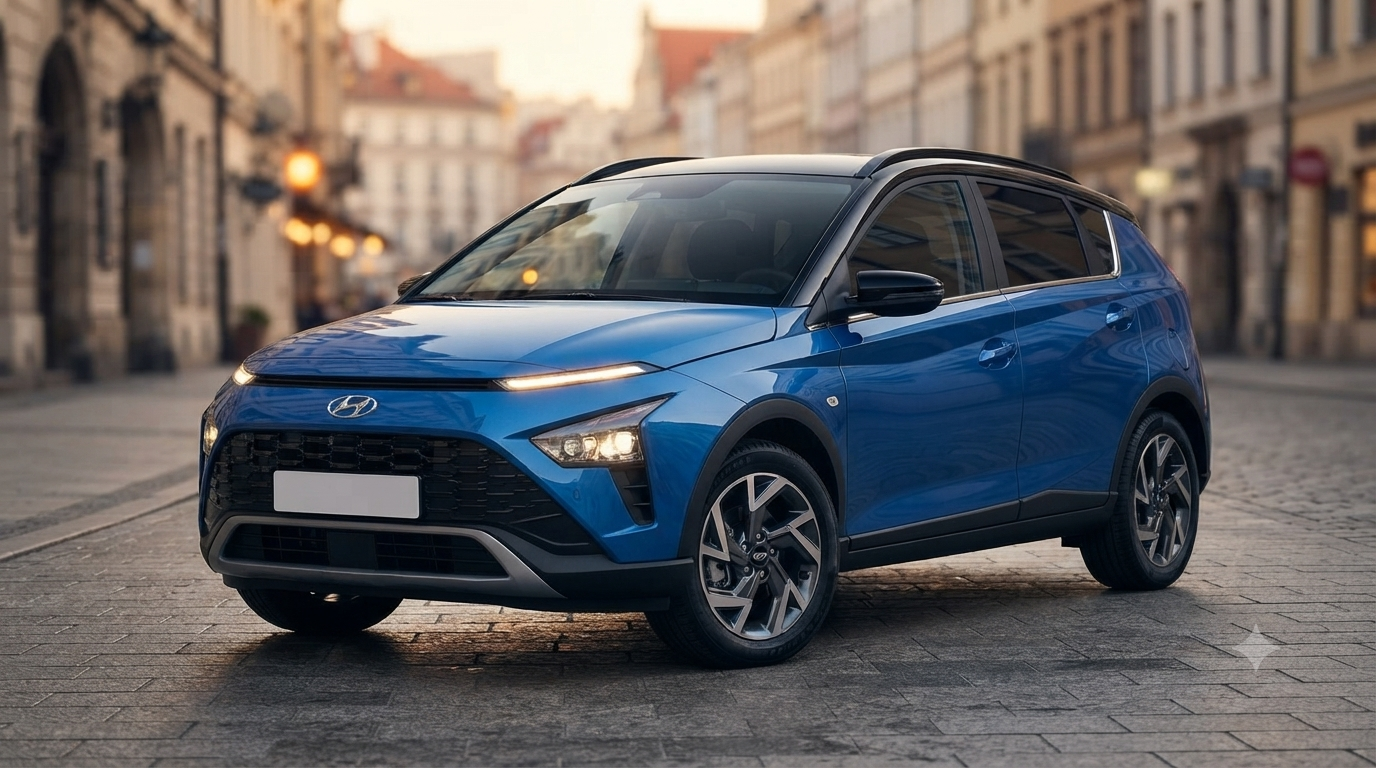
The Bayon is about 4.18 metres long with a wheelbase of roughly 2.58 metres, which makes it easy to park in tight city streets. Its height of about 1.5 metres gives it a crossover stance without looking awkward.
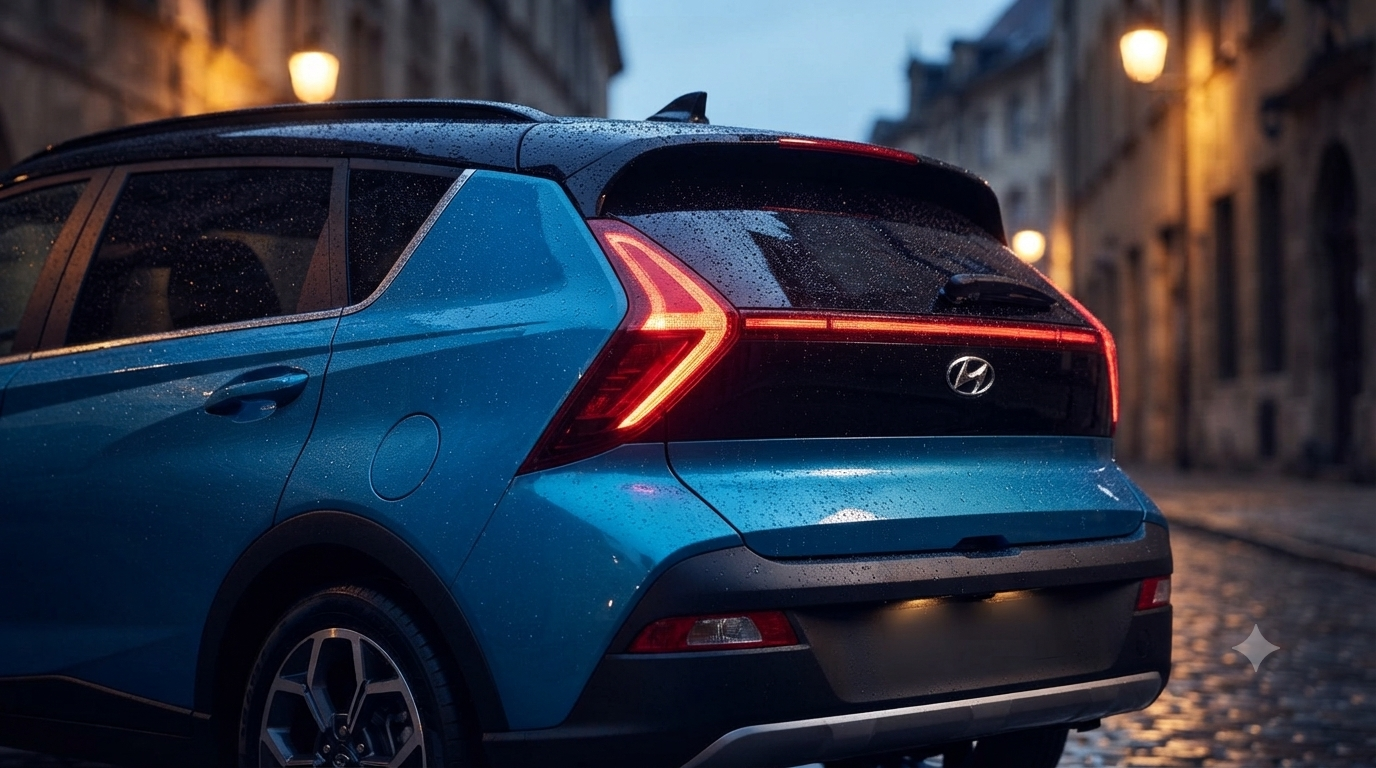
The 2024 facelift sharpened the styling with a full-width LED light bar, a redesigned grille and new bumpers. New 16-inch and 17-inch alloy wheels, extra paint colours and an optional contrasting roof added more ways to personalise it. The arrow-shaped rear light clusters were kept and remain its most recognisable feature.
Interior and Comfort
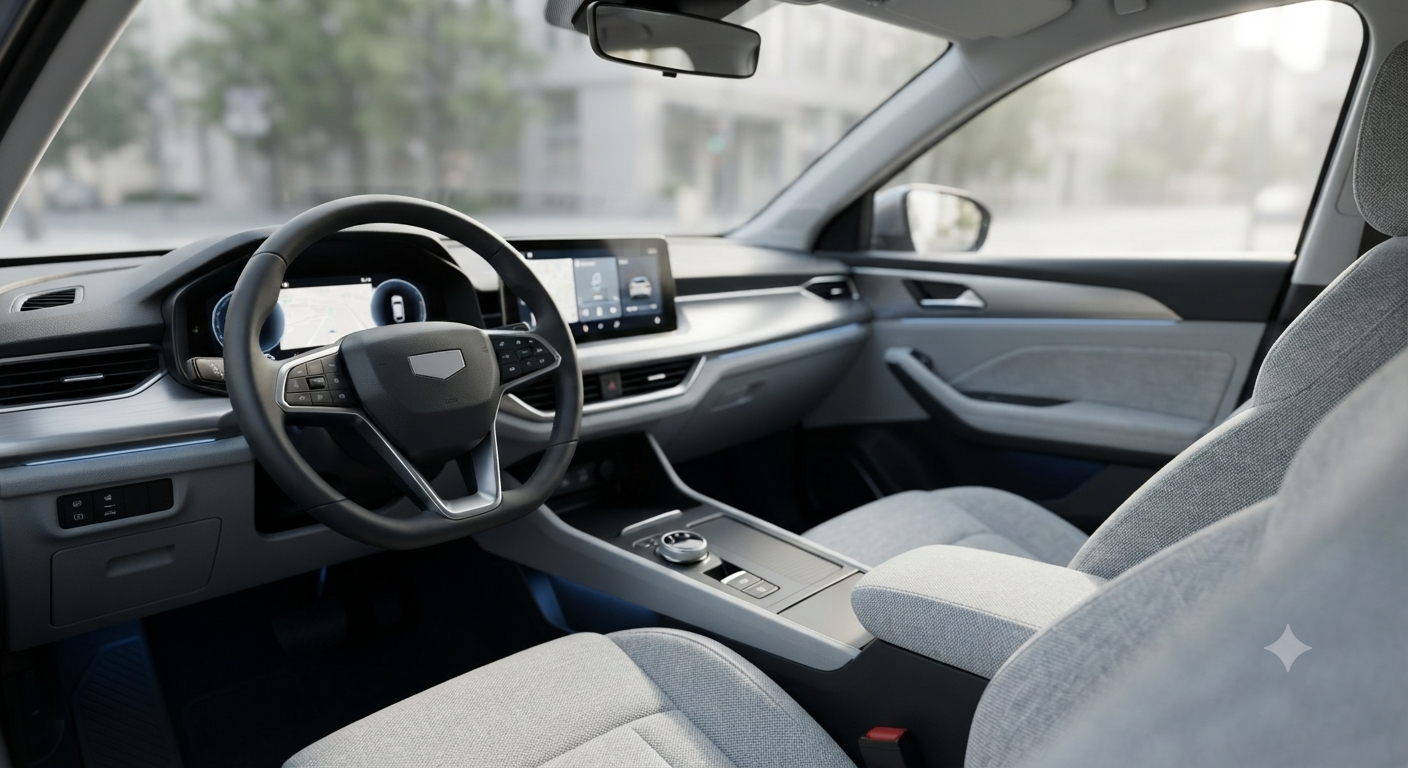
Inside, the focus is on practicality. The facelifted model has a 10.25-inch touchscreen as standard, with an optional digital driver display. LED interior lighting and colour packs freshen up the cabin. Reviewers often praise the ride comfort and the space for a car this size.
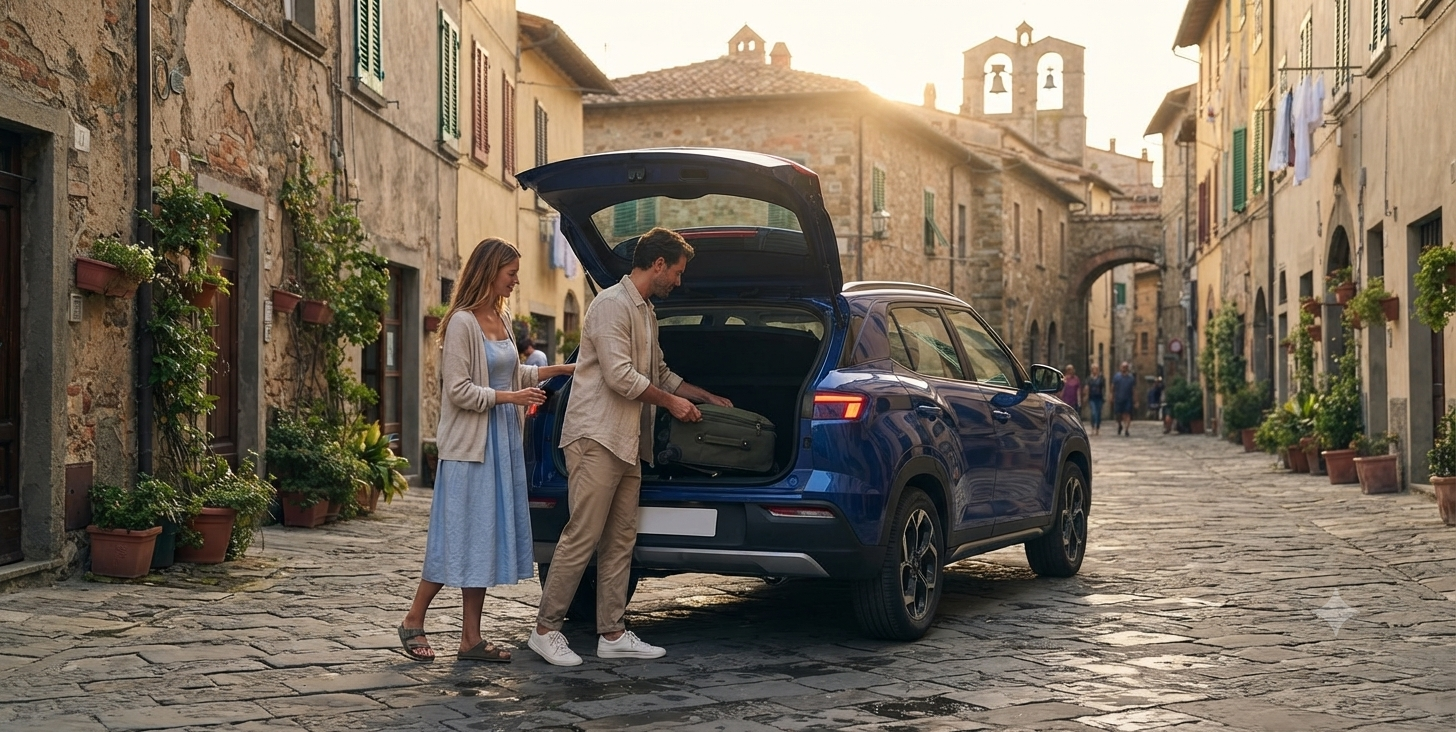
Boot space is the usual weak point. It is fine for daily use and weekend trips, but nothing special compared with some rivals.
Engine and Performance
After the facelift, the range was simplified around a 1.0-litre turbocharged three-cylinder petrol producing about 100 PS. Buyers can choose a 6-speed manual or a 7-speed dual-clutch automatic.
This is not a performance car. A 0-100 km/h time of around 11 seconds shows it is built for relaxed city and highway driving. Claimed fuel economy is roughly 48 to 53 mpg depending on version, which is good for a petrol crossover. Some reviewers have criticised the clutch pedal feel on the manual, so a test drive matters.
Features and Safety
Hyundai fitted the Bayon with a wide range of driver-assistance features. Depending on trim, they include:
•Forward Collision-Avoidance Assist, which warns the driver and can brake automatically
•Lane Following Assist to help keep the car centred
•Blind-spot collision warning
•Driver attention warning
•Navigation-based cruise control on some versions
Higher trims add automatic climate control, heated seats and steering wheel, a smart key with push-button start, wireless phone charging, a Bose audio system and an electric sunroof. The base trim still comes with LED headlights, a rear camera and parking sensors.
Price and Trims
In the UK, the facelifted Bayon launched in mid-2024 from about £22,480 in Advance, Premium and Ultimate trims. Prices and specifications differ by country and change over time, so check Hyundai’s official website for your market. This is a European price, not an Indian one.
Rivals
The Bayon competes with the Ford Puma, Skoda Kamiq, Peugeot 2008, Renault Captur and SEAT Arona. Several of these are more fun to drive or have larger boots. The Bayon’s pitch is comfort, sensible equipment and value rather than excitement.
Pros and Cons
Pros
•Comfortable ride
•Roomy interior for its size
•Good value and generous equipment
•Compact size suits city driving
•Strong safety technology
Cons
•Limited engine choice
•Average boot space
•Unremarkable driving character
•Clutch pedal feel on the manual
Hyundai Bayon in India: Will It Launch?
Hyundai has not announced any plan to launch the Bayon in India, so there is no official launch date or Indian price. Any website that lists one is guessing. A launch looks unlikely for a few reasons:
•Overlap with existing models: Hyundai already sells the Exter and Venue in the compact SUV space, both designed for Indian buyers.
•Market preferences: Indian buyers usually want higher ground clearance, taller seating and options like CNG or diesel. The Bayon is a European-spec petrol crossover.
•Regulations and cost: Bringing a Europe-built car to India would need major changes to meet local rules and keep the price competitive.
Hyundai Bayon vs Exter and Venue
The Bayon is a road-focused crossover built on the same underpinnings as the i20. It is lower and more car-like, and it is tuned for smooth city and highway driving. The Exter and Venue have a more upright SUV stance and a setup that suits rough roads and speed breakers. If you want something you can buy and service in India, the Exter or Venue is the practical choice.
What Indian Buyers Can Learn from the Bayon
•A modest 1.0-litre turbo petrol engine can be enough for relaxed daily driving.
•A large touchscreen and driver-assistance features are becoming standard expectations, even in small cars.
•Comfort and practicality often matter more than outright power.
Final Verdict
The Hyundai Bayon in India remains a what-if. It is a smart, comfortable and well-equipped compact SUV, but for now Indian buyers are better served by Hyundai’s locally built models. For city-focused buyers in Europe, it is a solid, low-stress choice.
Disclaimer: Specifications, prices and features vary by country and model year. The Bayon is currently sold in Europe only. Always confirm details on Hyundai’s official website before making a purchase decision.